
Festivals in Sikkim: Celebrate the Rich Culture and Traditions
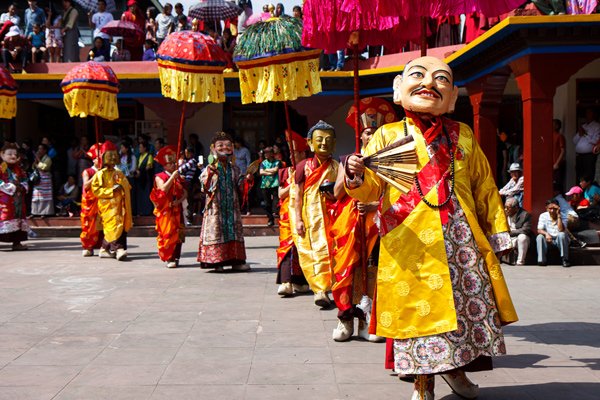
Sikkim is a beautiful Himalayan state in Northeast India, known for its vibrant festivals, rich cultural heritage, and diverse communities. The festivals of Sikkim reflect the traditions of the Lepcha, Bhutia, Nepali, Tamang, Rai, and Gurung communities. From colourful mask dances to religious rituals, traditional music, and local cuisine, these celebrations offer visitors a glimpse into Sikkim’s unique culture.
Popular Festivals of Sikkim
Pang Lhabsol
Pang Lhabsol is one of the most important festivals in Sikkim, celebrated in honour of Mount Kanchenjunga, the state’s guardian deity. Usually held in August or September, the festival features traditional mask dances, prayers, and cultural performances symbolising unity between the Lepcha and Bhutia communities.
Losar Festival
Losar marks the Tibetan New Year and is celebrated with prayers, monastery visits, traditional food, and cultural performances. It represents new beginnings, prosperity, and happiness.
Losoong or Namsoong
Losoong, also known as Namsoong, is a traditional harvest and New Year festival celebrated mainly by the Bhutia and Lepcha communities. The festivities include monastery rituals, Cham dances, archery competitions, and traditional food.
Saga Dawa
Saga Dawa is an important Buddhist festival associated with the life of Lord Buddha. Devotees visit monasteries, offer prayers, light butter lamps, and practise acts of compassion and generosity.
Sakewa Festival
Sakewa is an important festival of the Rai community, dedicated to Mother Earth. Celebrated around April or May, it includes traditional worship, folk dances, songs, and community gatherings.
Sonam Lochar
Sonam Lochar is the New Year festival of the Tamang community. It is celebrated with traditional dances, music, prayers, colourful attire, and festive meals.
Tihar Festival
Tihar, also known as the Festival of Lights, is widely celebrated by the Nepali community in Sikkim. The festival honours animals, worships Goddess Lakshmi, and celebrates family bonds through colourful decorations, traditional songs, and Bhai Tika.
Tamu Lochar
Tamu Lochar is the New Year celebration of the Gurung community. Traditional dances, cultural programmes, special dishes, and family gatherings make this festival an important part of Sikkim’s cultural heritage.
Tendong Lho Rum Faat
Celebrated by the Lepcha community, Tendong Lho Rum Faat honours sacred Tendong Hill. The festival features prayers, processions, traditional songs, and dances that reflect the community’s deep connection with nature.
Drukpa Tshechi
Drukpa Tshechi commemorates Buddha’s first sermon at Sarnath. Monasteries observe the occasion with prayers, religious teachings, butter lamps, and traditional Cham dances.
Why Are Festivals Important in Sikkim?
Festivals in Sikkim preserve ancient traditions, strengthen community bonds, and showcase the state’s cultural diversity. Traditional dances, religious ceremonies, local cuisine, and colourful costumes make these celebrations attractive to cultural travellers.
Best Time to Experience Festivals in Sikkim
Sikkim celebrates festivals throughout the year. Pang Lhabsol usually takes place in August or September, Sakewa in April or May, and Losoong in December. Festival dates vary according to religious calendars, so travellers should check the latest schedule before planning a trip.
Conclusion
The festivals of Sikkim offer a wonderful opportunity to explore the state’s rich traditions, Buddhist heritage, and multicultural identity. Whether you experience Pang Lhabsol, Losar, Losoong, or Tihar, each celebration provides a memorable insight into Sikkim’s culture and warm hospitality.