
Kanchenjunga Base Camp Trek, Sikkim: Complete Guide
Kanchenjunga Base Camp Trek – Quick Overview
- Trek Name: Kanchenjunga Base Camp Trek, Sikkim
- Maximum Altitude: Approximately 16,400 ft, depending on the route
- Duration: 12–14 days
- Trek Distance: Approximately 95–105 km, depending on the itinerary
- Starting Point: Yuksom, West Sikkim
- Difficulty Level: Difficult to Very Difficult
- Best Time to Visit: April–May and September–October, subject to trail conditions
- Region: Khangchendzonga National Park, Sikkim
- Trail Type: Out-and-back Himalayan trekking route
- Accommodation: Camping and basic trekking facilities
- Permits: Required, depending on the route and nationality of trekkers
Kanchenjunga Base Camp Trek Overview
The Kanchenjunga Base Camp Trek in Sikkim is a challenging Himalayan adventure for experienced trekkers seeking remote mountain landscapes, spectacular views, and an unforgettable wilderness experience.
Beginning in Yuksom, West Sikkim, the trail winds through dense forests, rhododendron woodlands, alpine meadows, and glacial valleys. Along the way, trekkers discover the remarkable natural beauty of Khangchendzonga National Park, a UNESCO World Heritage Site known for its rich biodiversity and dramatic Himalayan scenery.
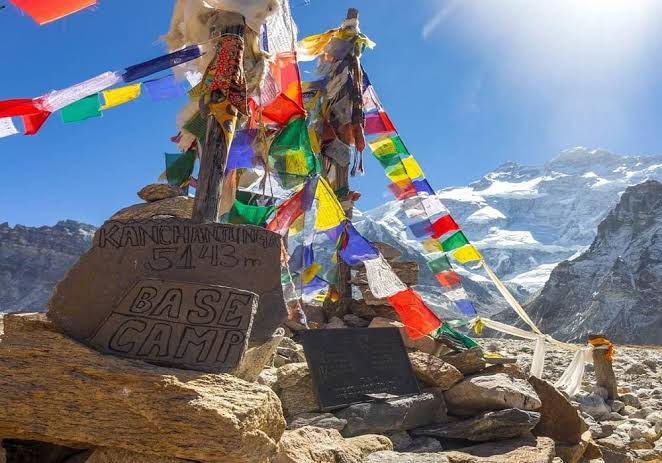
The journey also offers breathtaking views of Mount Kanchenjunga, the world’s third-highest mountain at 8,586 metres. In addition to mountain panoramas, visitors can experience traditional Sikkimese culture, Buddhist heritage, and the tranquillity of remote Himalayan landscapes.
Depending on the approved itinerary, the route may pass through camps near Sachen, Tshokha, Dzongri, and Thangsing. However, high-altitude terrain, unpredictable weather, and limited evacuation facilities make careful preparation essential.
Therefore, this trek is best suited to physically fit adventurers with previous trekking experience. Before departure, confirm the approved route, required permits, camping arrangements, and safety provisions with a registered local operator.
Why Choose the Kanchenjunga Base Camp Trek?
Spectacular Kanchenjunga Mountain Views
Experience the magnificent Himalayan scenery surrounding Mount Kanchenjunga, where towering peaks, rugged ridgelines, and glaciers create unforgettable panoramas. Moreover, the changing light across the mountains makes this region particularly attractive for landscape photography.
Remote Himalayan Wilderness
Unlike many popular trekking destinations, the Kanchenjunga region offers an immersive wilderness experience. As the trail moves deeper into the mountains, trekkers encounter quieter paths, secluded campsites, and landscapes far removed from busy tourist centres.
Diverse Landscapes and Scenic Trails
The trek showcases the extraordinary geographical diversity of the eastern Himalayas. Depending on the altitude and season, the route features:
- Dense Himalayan forests and flowing mountain streams
- Rhododendron and conifer woodlands
- Alpine meadows and traditional grazing grounds
- Rocky trails, glacial valleys, and moraine fields
- High-altitude viewpoints surrounded by snow-covered peaks
As a result, each stage of the journey offers a different perspective on Sikkim’s natural beauty.
Rich Wildlife and Biodiversity
Khangchendzonga National Park supports a remarkable variety of Himalayan wildlife. Species found in the wider region include red pandas, musk deer, Himalayan black bears, and snow leopards, although sightings are rare.
Furthermore, spring brings colourful rhododendron blooms and seasonal alpine flowers, making the trek especially appealing to nature enthusiasts.
Sikkim’s Buddhist Culture and Heritage
Beyond its natural beauty, the Kanchenjunga region holds deep spiritual significance for local communities. Trekkers may encounter Buddhist monasteries, prayer flags, chortens, and sacred mountain landscapes along their journey.
These cultural traditions add another dimension to the adventure, connecting visitors with Sikkim’s distinctive Himalayan heritage.
A Challenging High-Altitude Adventure
The Kanchenjunga trek demands endurance, preparation, and mental resilience. Steep ascents, long walking days, cold nights, and remote campsites make it particularly challenging.
Nevertheless, for experienced trekkers seeking a demanding Himalayan expedition, the journey offers a rewarding combination of physical challenge, natural beauty, and solitude.
Best Time for the Kanchenjunga Base Camp Trek
The best time for the Kanchenjunga Base Camp Trek in Sikkim is generally spring or autumn, when weather conditions and mountain visibility may be more favourable. However, actual trail access depends on snowfall, rainfall, and local restrictions.
Spring Trekking: April to May
Spring brings blooming rhododendron forests, greener lower trails, and beautiful Himalayan scenery. Although daytime conditions can be pleasant at lower elevations, temperatures remain cold at higher camps.
Additionally, residual snow may affect certain sections of the route. For this reason, trekkers should check trail conditions before finalising their plans.
Best for: Seasonal flowers, forest scenery, and mountain photography.
Autumn Trekking: September to October
Autumn is popular for its clearer mountain views and changing Himalayan landscapes. Following the monsoon, visibility often improves, although early autumn can still bring rainfall and unstable weather.
Consequently, late-season trekking may offer excellent photography opportunities when conditions are favourable.
Best for: Panoramic mountain views, landscape photography, and alpine scenery.
Winter Trekking: November to March
Winter brings freezing temperatures, possible heavy snowfall, and difficult trail conditions. High-altitude camps may become inaccessible, while emergency evacuation can be particularly challenging.
Therefore, winter trekking is generally unsuitable without specialist experience, verified route access, and appropriate support.
Monsoon Trekking: June to August
Heavy rainfall can cause landslides, slippery trails, leech activity, and swollen streams. In addition, persistent cloud cover often reduces mountain visibility.
For these reasons, the monsoon season is generally not recommended for this demanding trek.
Travel tip: Always confirm weather forecasts, current trail access, and permit availability with a registered local trekking operator before booking.
Kanchenjunga Base Camp Trek Difficulty and Fitness Requirements
The Kanchenjunga Base Camp Trek is rated difficult to very difficult because of its high altitude, demanding terrain, extended duration, and limited emergency access. Proper physical preparation and acclimatisation are therefore essential.
Altitude and Acclimatisation
Some itineraries reach elevations above 5,000 metres, where the risk of altitude sickness increases significantly. To reduce this risk, trekkers should follow a gradual ascent, allow sufficient acclimatisation time, and recognise symptoms of altitude-related illness.
Terrain and Trail Conditions
The route includes steep climbs, uneven forest paths, rocky sections, exposed mountain trails, and possible snow or glacial debris. Depending on the season, river crossings and unstable trail conditions may add further challenges.
Consequently, trekkers should be comfortable walking on varied terrain for several consecutive days.
Daily Trekking Duration
Most trekking days may involve approximately 6–8 hours of walking, although some stages can take longer. Actual walking times depend on elevation gain, weather, trail conditions, and individual fitness.
Adequate rest, hydration, and sensible pacing are essential for maintaining energy throughout the journey.
Fitness Level Required
Trekkers should develop the following abilities before departure:
- Strong cardiovascular endurance
- Good leg and core strength
- Experience with multi-day hikes
- The ability to walk for several hours carrying a backpack
- Confidence on steep and uneven mountain trails
Recommended Training
Begin physical preparation 8–10 weeks before the trek. Focus on cardiovascular exercise, stair climbing, leg-strength training, and long hikes with elevation gain.
Gradually increase the duration and intensity of workouts to build endurance without overtraining. Whenever possible, practise hiking with the backpack you intend to carry.
Mental Preparation
Remote camps, cold weather, physical fatigue, and limited facilities can make the trek mentally demanding. Therefore, patience, flexibility, and good decision-making are just as important as physical fitness.
Following your guide’s instructions and working closely with the trekking team also helps improve overall safety.
Who Should Attempt This Trek?
The Kanchenjunga Base Camp Trek is best suited to experienced hikers with previous high-altitude trekking experience. Beginners should first gain experience on easier Himalayan routes before attempting this demanding adventure.
Additionally, anyone with a medical condition that could affect high-altitude activity should consult a qualified healthcare professional before travelling.
Plan Your Kanchenjunga Trek in Sikkim
The Kanchenjunga region offers an extraordinary combination of Himalayan scenery, remote wilderness, and cultural heritage. With proper preparation, a suitable itinerary, and experienced local support, trekkers can enjoy a more rewarding and responsible mountain adventure.
Before booking, verify the exact route, maximum altitude, permits, camping arrangements, acclimatisation schedule, and emergency evacuation plan.
Important route clarification: The popular Yuksom–Dzongri–Goechala trek is often marketed using Kanchenjunga Base Camp terminology. However, Goechala is a mountain viewpoint rather than the actual base camp. Therefore, confirm the specific destination and route before publishing altitude and distance figures or booking a trekking package.