
Sikkim, India’s second-smallest state, lies in the Eastern Himalayas and shares borders with Tibet (China), Bhutan, Nepal, and West Bengal. Its rich history reflects the cultural influences of the Lepcha, Bhutia, and other communities, along with its strong Buddhist heritage.
The name Sikkim is believed to come from Su Him, meaning “new house.” In 1642, Phuntsog Namgyal became the first Chogyal (king) of Sikkim at Yuksom, establishing the Namgyal dynasty. During the 18th and 19th centuries, Sikkim faced conflicts with Nepal and Bhutan, followed by increasing British influence.
After India gained independence in 1947, Sikkim became an Indian protectorate. Finally, in 1975, following a referendum, Sikkim joined India as its 22nd state.
Districts of Sikkim
Following the December 2021 reorganization, Sikkim has six districts:
- Gangtok: The state capital, famous for Tsomgo Lake and Enchey Monastery.
- Gyalshing: Known for its royal heritage, Pemayangtse Monastery, and Rabdentse ruins.
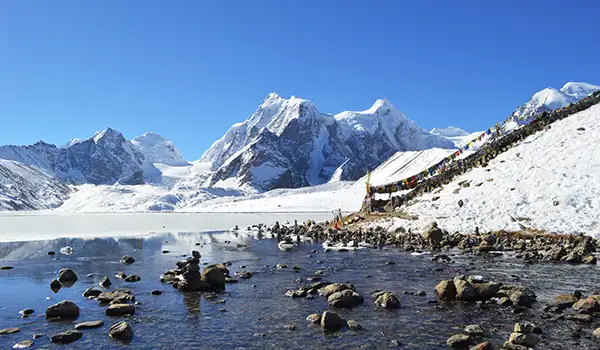
- Mangan: The largest district, featuring Yumthang Valley and Gurudongmar Lake.
- Namchi: A spiritual destination with Char Dham and Buddha Park.
- Soreng: Known for its tea gardens, forests, trekking, and nature walks.
- Pakyong: Famous for its scenic landscapes and Sikkim’s first airport.
Together, these districts reflect Sikkim’s fascinating history, cultural diversity, Buddhist traditions, and spectacular Himalayan landscapes.